
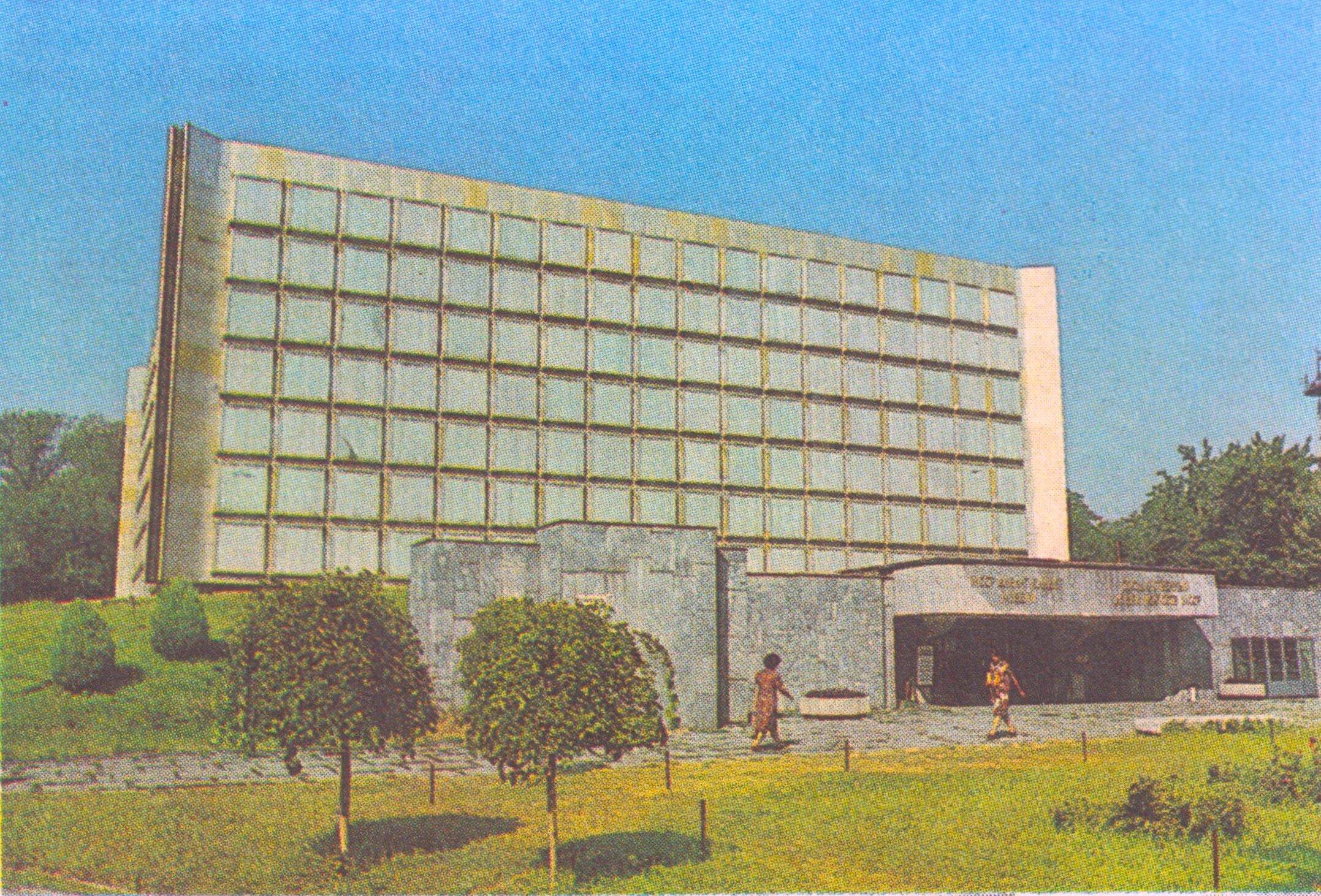
The State Museum of Arts of Uzbekistan was founded in 1918 as the People’s University Museum. Until 1935 it was housed in Prince Romanov’s palace in Tashkent. From 1935–1966 it occupied the People’s House building, and after the earthquake it was located in the building that now houses the Tashkent House of Photography.
In 1974, on the site of the demolished People’s House,
young architects I. A. Abdulov, A. K. Nikiforov, and S. A. Rozenblyum built a
new and unusual museum building — a huge blue cube. The faces of the cube are
clad with aluminium squares and “stivit” fibreglass material that lets in soft
diffused light.
The entrance portal, basement level, and inner atrium
are finished in grey marble.
At first the building seemed unusual, but Tashkent
residents soon grew accustomed to it and came to love it — today it is
impossible to imagine the intersection of Amir Temur and Shahrisabz streets
without this museum.
During the years of independence, a reconstruction was
carried out: columns and arches were added to the upper part, which caused the
original brutalist appearance to be lost.
In 2024, the museum building was included in the list
of cultural heritage sites of Uzbekistan.
As of now (2025), the museum is closed for
reconstruction.
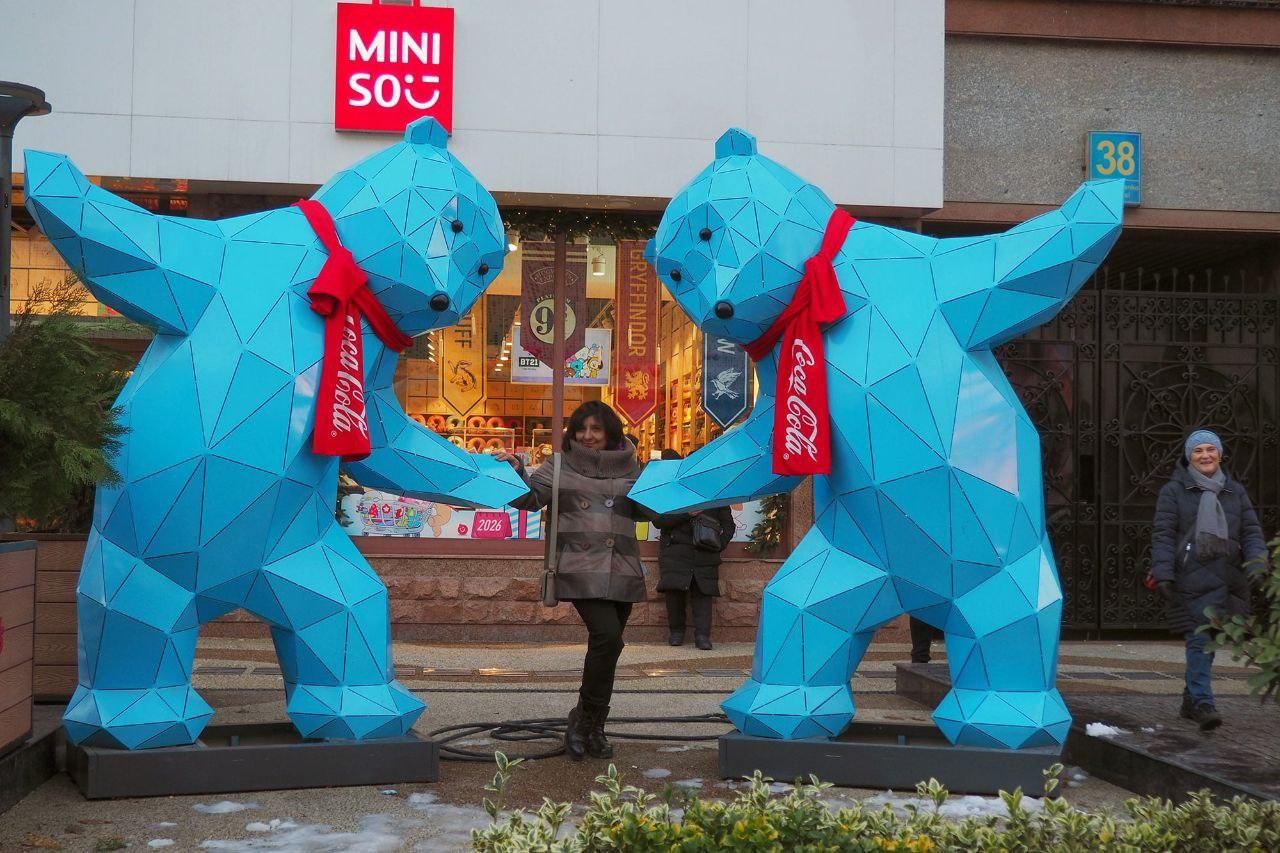
The 226-meter-long tourist street is located in the center of Tashkent — from the intersection wit...
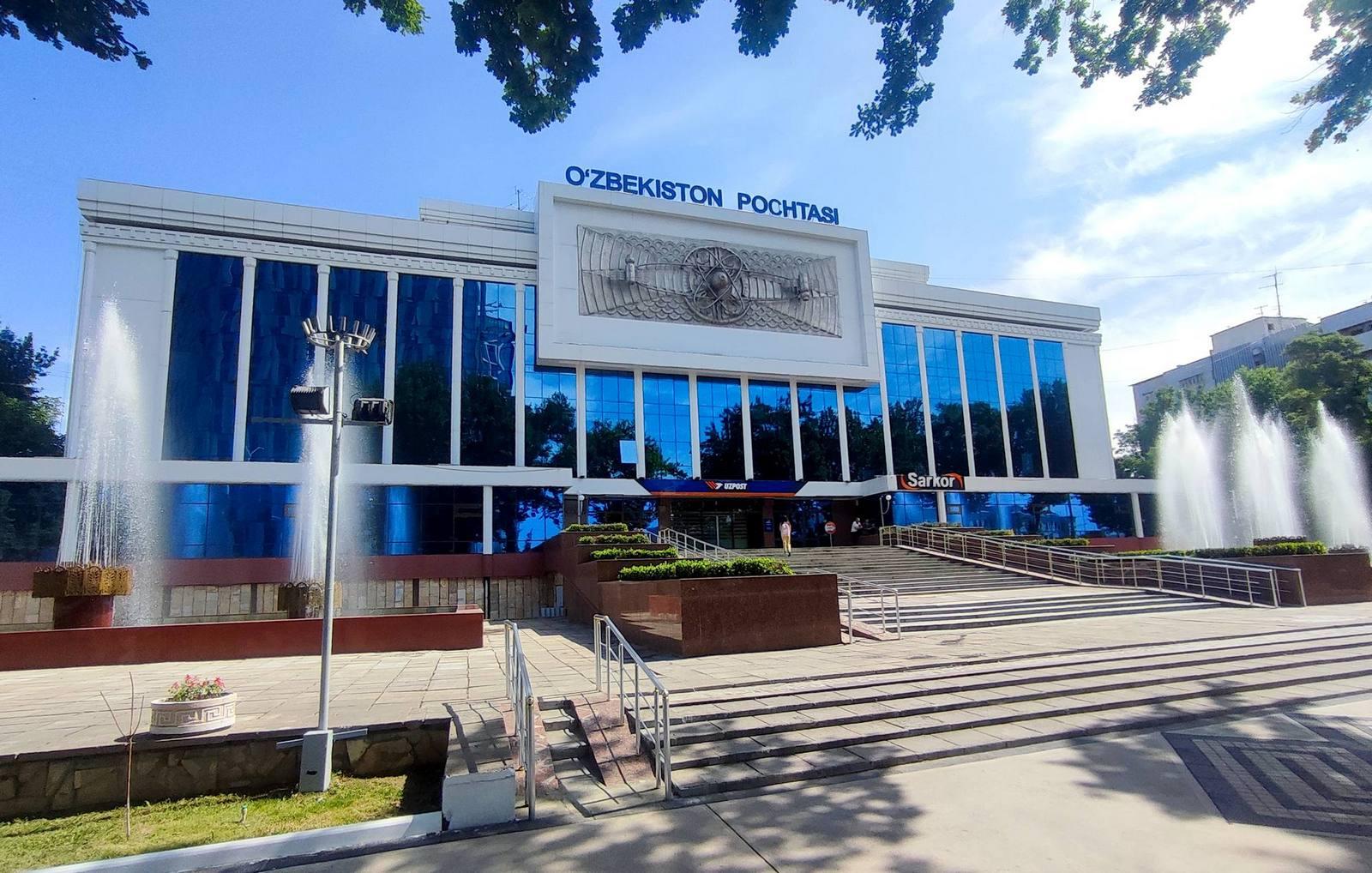
The new building of the Main Post Office opened in 1984 on Shahrisabz Street, formerly Pervomayskay...
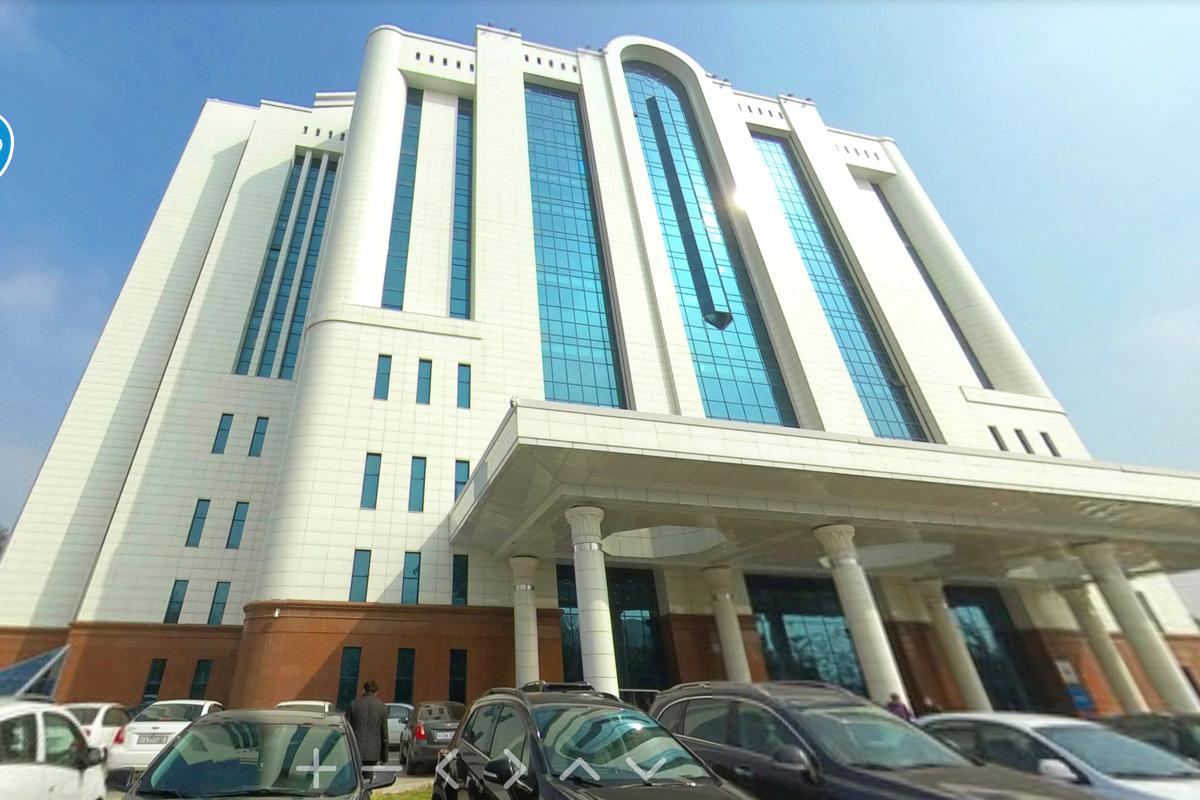
Construction of the building began in the early 1970s as the Computing Center of the State Plannin...
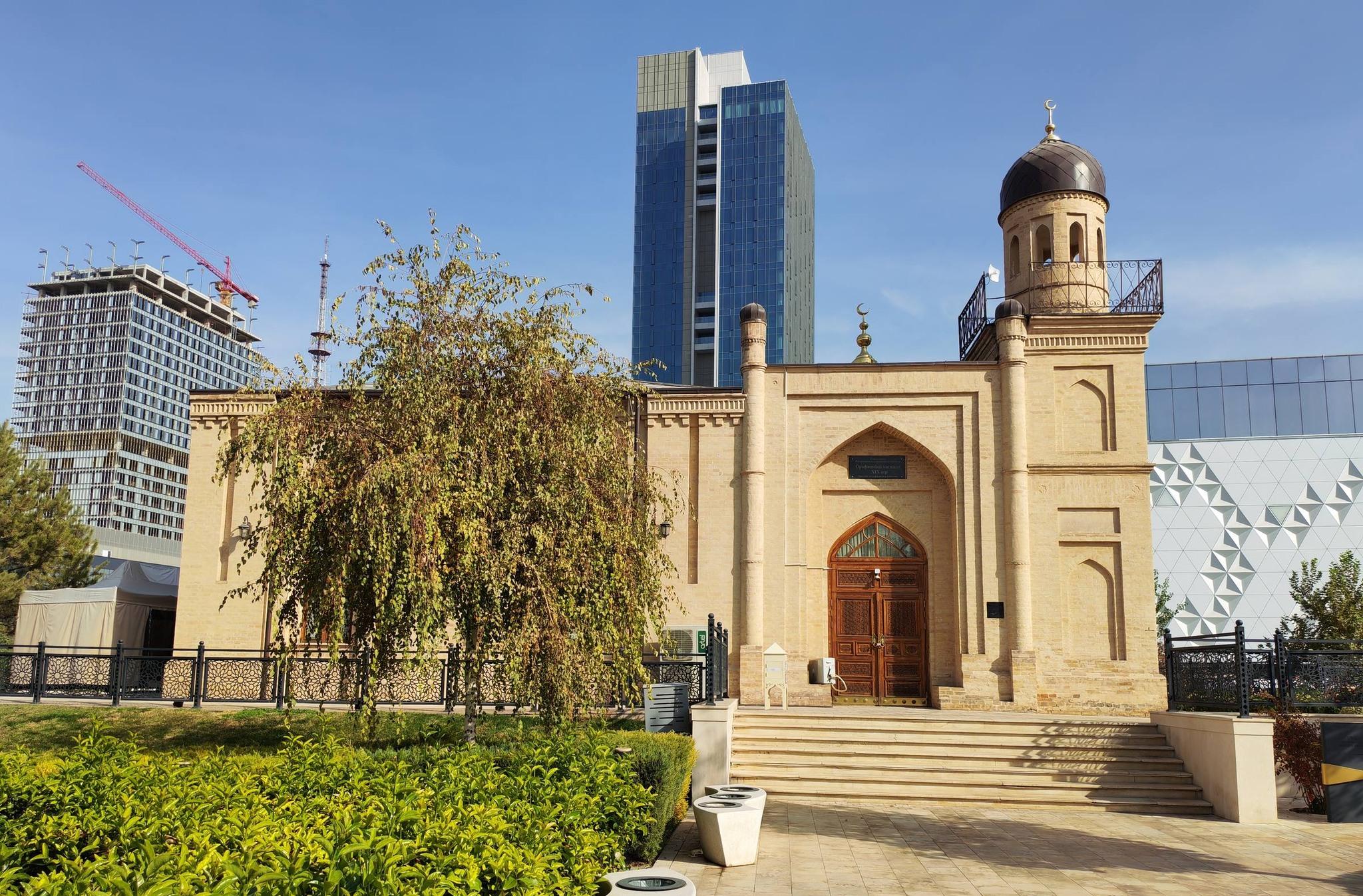
The mosque, striking with its unusual lines, is located within Tashkent City Park. This distinctive...