
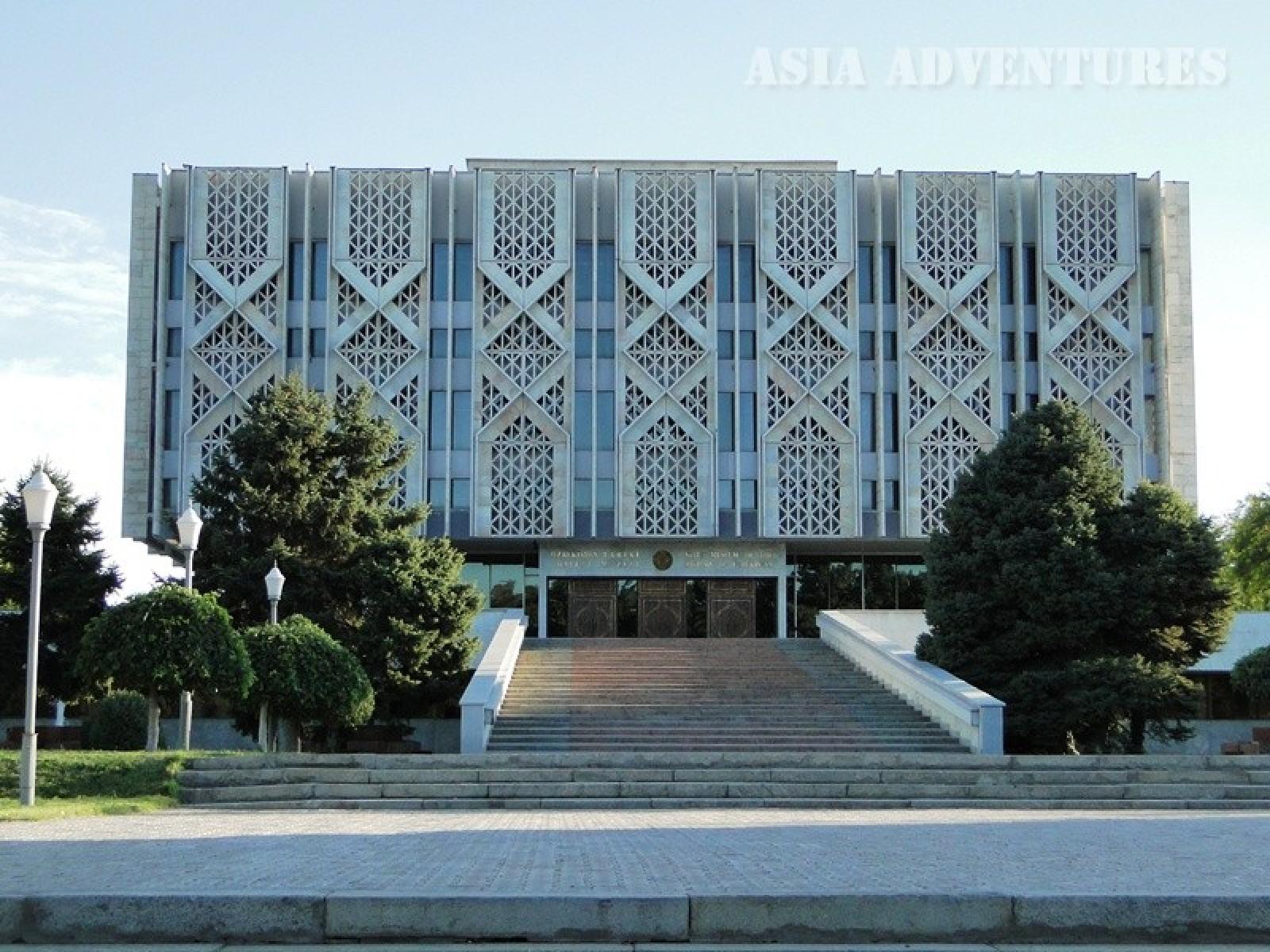
The State Museum of History of Uzbekistan is housed in one of Tashkent’s most beautiful buildings — the former Lenin Museum, opened in 1970 to mark the centenary of the birth of the leader of the proletariat.
The creators of this unique building are winners of
the Hamza Uzbek SSR State Prize: architects Ye. Rozanov and V. Shestopalov,
designers V. Krichevsky and I. Lentochkin, co-author architect Yu. Boldychev,
and engineer T. Melik-Arakelyan.
The journal “Architecture of the USSR” No. 7, 1972,
wrote:
“The V. I. Lenin Museum building in Tashkent seems to
unite the city’s two central squares, which determines its city-forming
significance. The architectural monument to the leader has become one of the
sights of the capital of Uzbekistan, its emblem. The centrally planned
composition, open on all sides, has united not only the new squares but also
linked the surrounding districts into a single whole permeated with a new
ideological meaning.
The high purpose and monumental character of the
building are expressed here in a simple, laconic volumetric and planning
solution. A plan close to a square (56×50 m), modest height (22.5 m), the main
hall in the centre surrounded by the exposition — all this predetermined the
clear centric composition of the building.”
Experts also highlight the successful use of national
ornamentation in the white sun-protective grilles (panjara), which accentuates
the building’s beauty, and the fact that the building itself is the main part
of the museum’s exhibition.
It should be recalled that the Museum of History was
founded on 12 July 1876 on the initiative of scholars — members of the
Turkestan branch of the Moscow Society of Lovers of Natural Science,
Anthropology and Ethnography. From February 1919 it was called the State Museum
of Turkestan. Throughout the 20th century the museum repeatedly changed its
name and location until 1992, when it finally moved into this beautiful
building.
The museum’s collections contain about 250,000 items,
including around 60,000 archaeological, over 80,000 numismatic and 16,000
ethnographic objects reflecting Uzbek history from primitive times to the
present day. Only a small portion is exhibited. On the first floor of the
four-storey building is a gallery that regularly hosts contemporary exhibitions
on various themes. The second floor illustrates the history of Uzbekistan from
ancient times to the Timurid era. The third floor is devoted to the period of
the three khanates: Khiva, Kokand and the Emirate of Bukhara. The fourth floor
presents exhibits of the most recent historical period — the 19th to 21st
centuries.
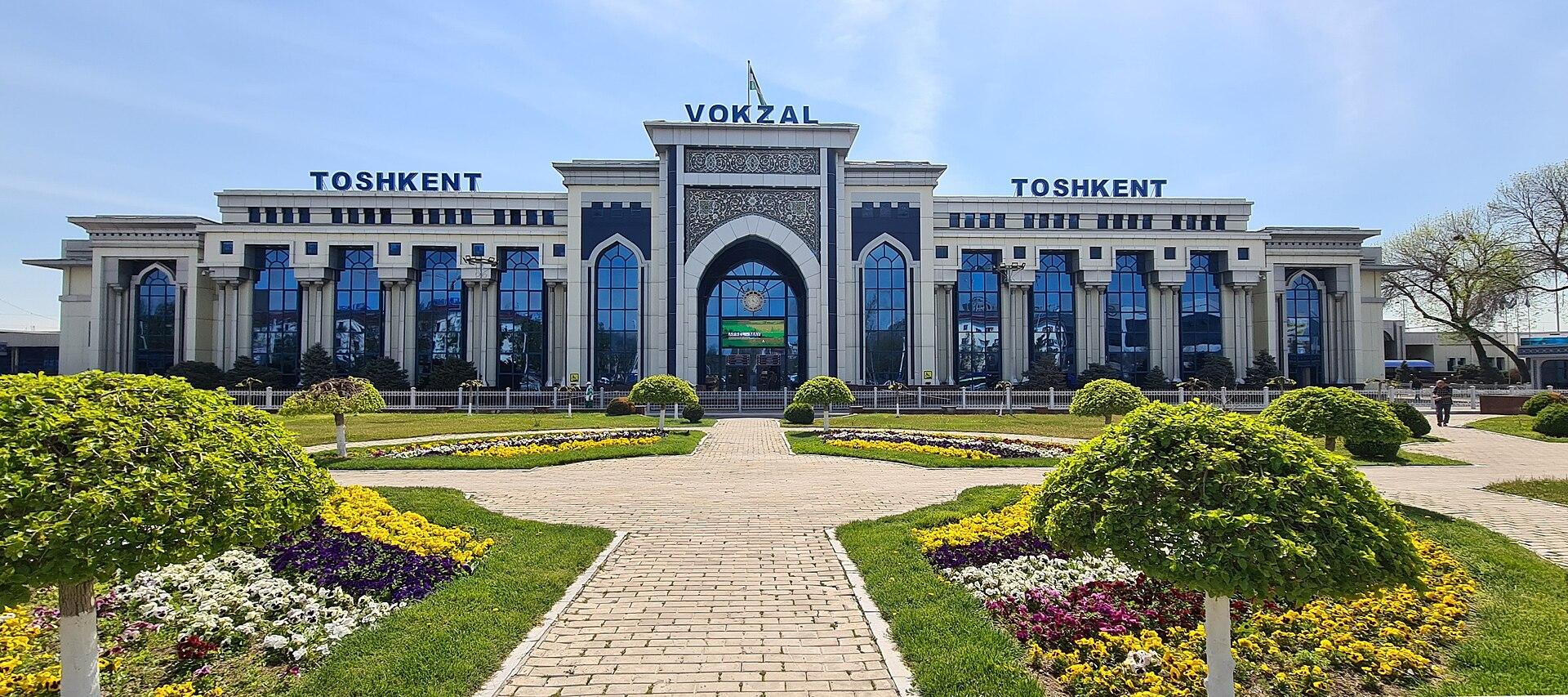
Once upon a time, the Tashkent railway station, built in 1899 to the design of G. Svarichevsky, was...
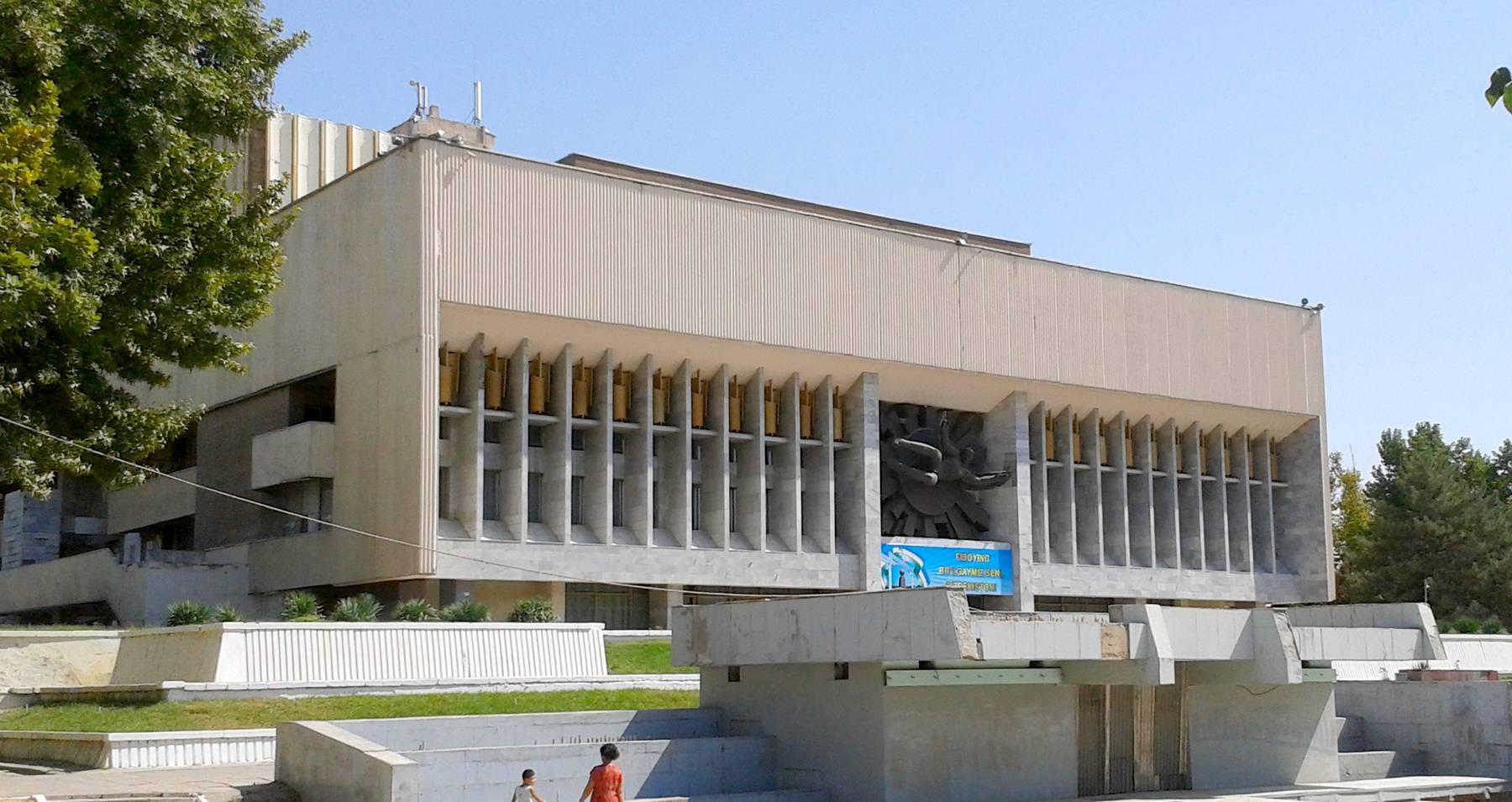
In the aviation builders’ town stands one of Tashkent’s most majestic buildings. Its design was cra...
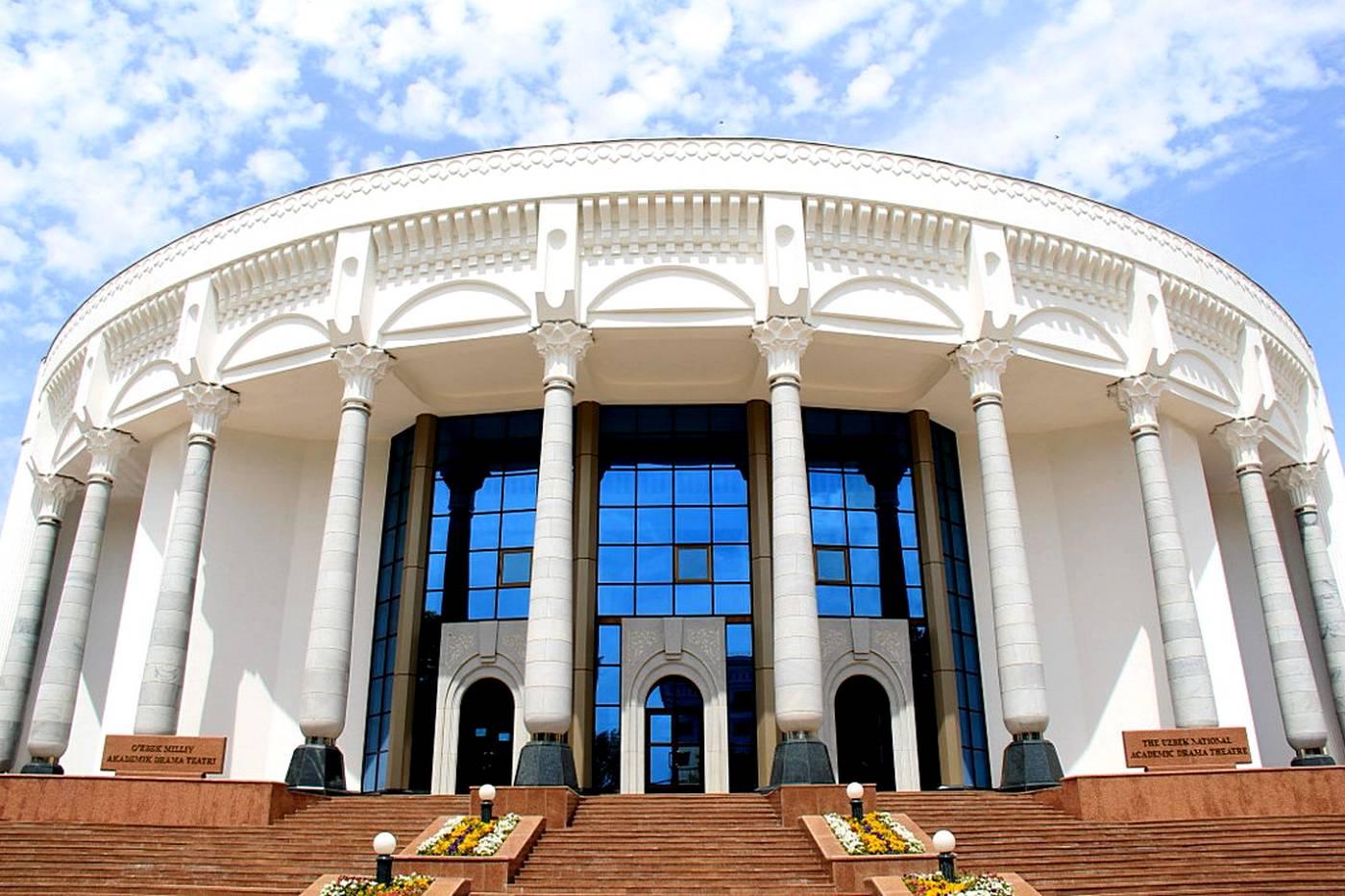
One of the first buildings on the planned Navoi Avenue was the “Rodina” (“Vatan”) cinema. It appear...
The Yaushev brothers, merchants from a Tatar princely family, built a trading house in 1911 based o...