
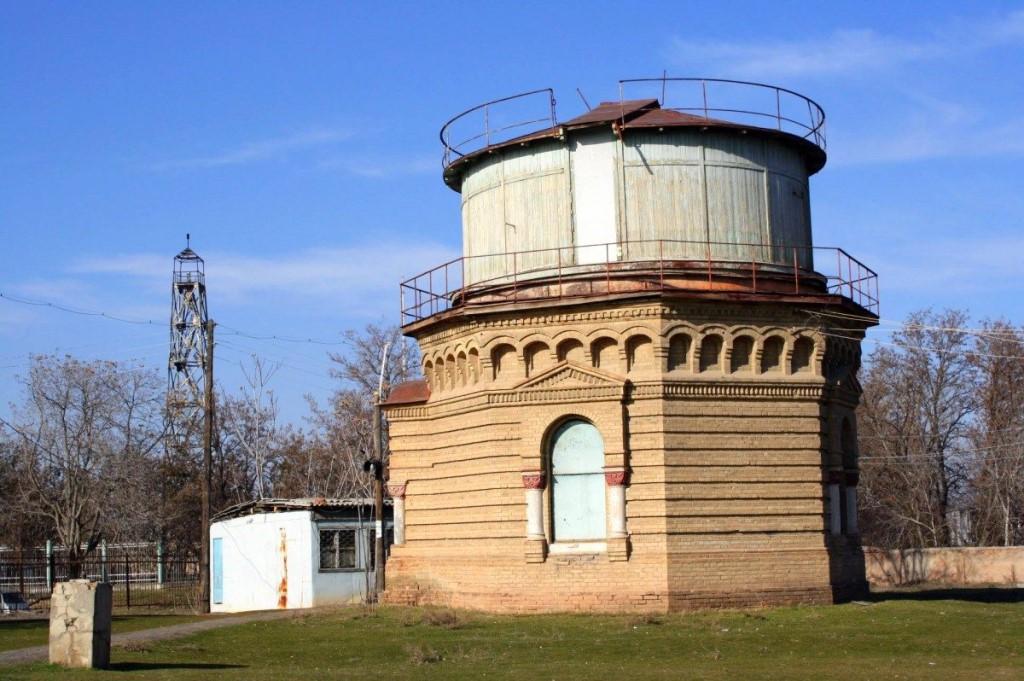
In 1870, the military leadership of Tashkent decided to build an observatory. In 1872, a suitable site was found outside the city—in the Ak-Kurgan area. The land was purchased from its owners, and construction of telescope buildings soon began. In 1873, the refractor began operating—this year is considered the founding year of the observatory.
At
that time, the main task of the astronomical service was to provide the
military with accurate maps showing the coordinates of populated areas. The
clear Tashkent sky also enabled high-quality observations of celestial bodies
for scientific purposes.
In
1895, architect V. S. Heinzelman built a beautiful telescope building that has
survived to this day. Plans to create a new park on the observatory site
include reconstructing this historic structure.
In
the 1880s, the observatory, as a source of precise time, was connected by
telephone wire to the Tashkent Fortress. Every day at exactly noon, a cannon
shot rang out, by which Tashkent residents set their clocks.
The
mechanisms for determining and maintaining precise time, located deep
underground, proved useful during the war years when all Soviet Union
observatories were on German-occupied territory. Precise time signals were
essential for coordinating the actions of the military, scientists, and
industry.
In
1966, the Tashkent Observatory was transformed into the Astronomical Institute
of the Academy of Sciences of Uzbekistan.
The
territory of the Astronomical Institute, through which the Ak-Kurgan canal
flows, remains beautiful and picturesque. A flower park is currently being
created here.
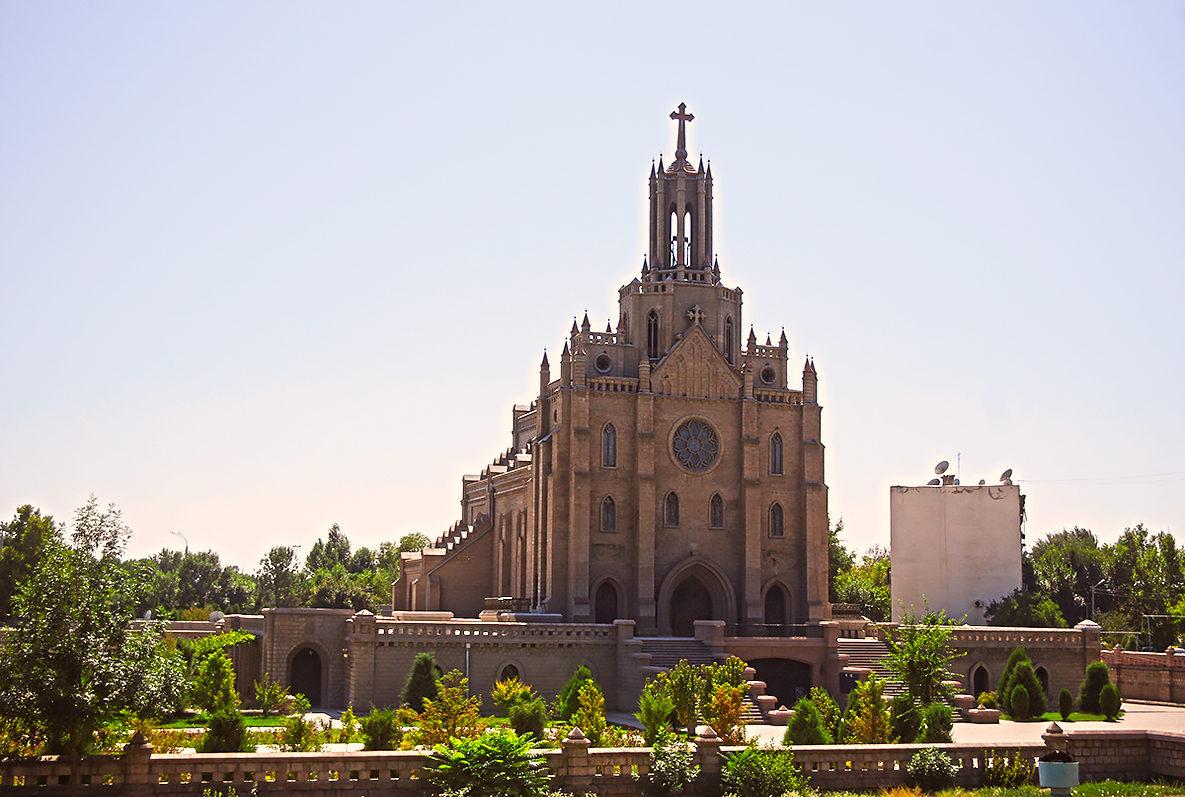
The Roman Catholic Cathedral of the Sacred Heart of Jesus began construction in 1912 on the high ba...
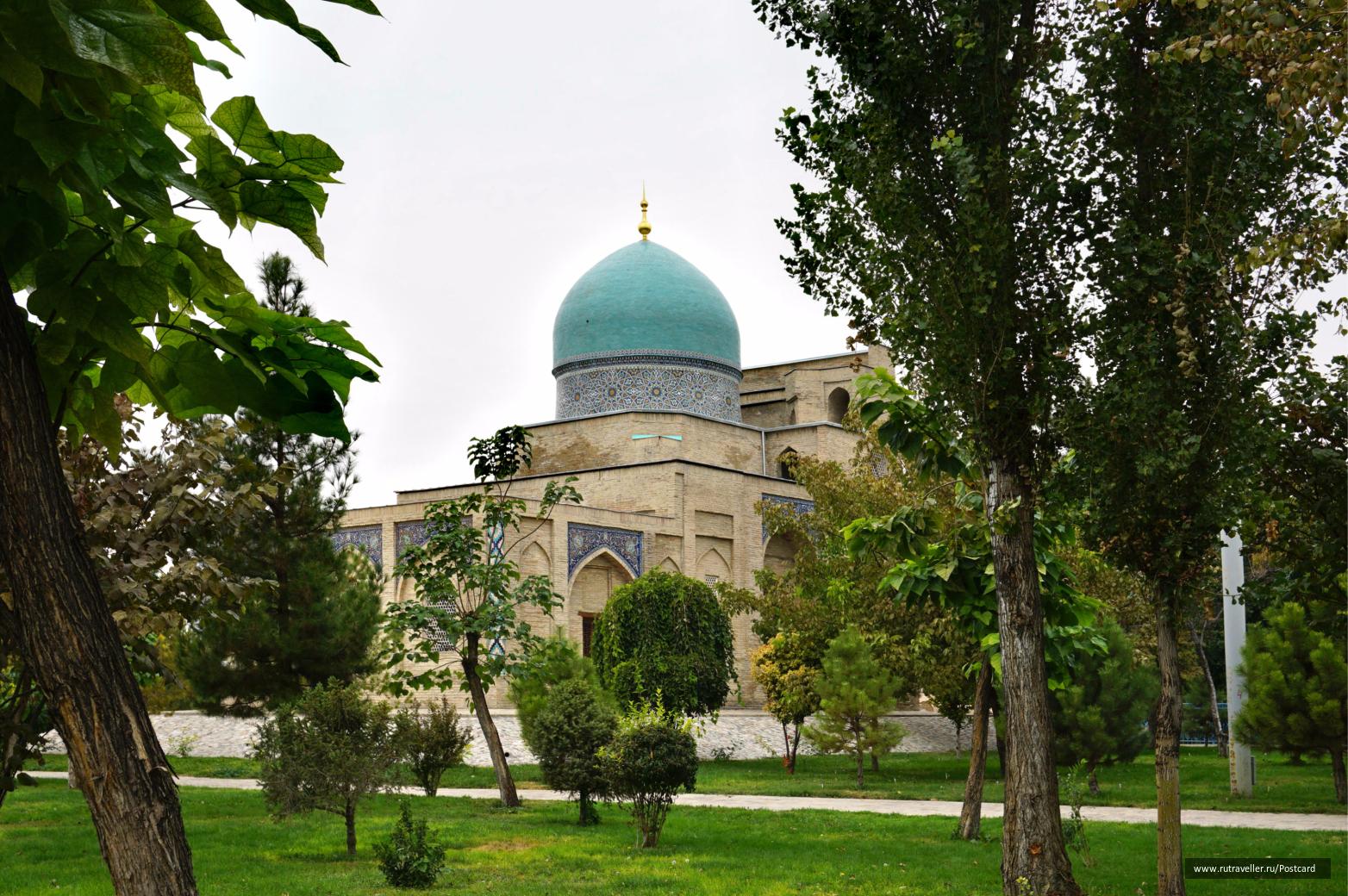
The conventional list of Tashkent's patron saints traditionally begins with Al-Kaffal al-Shashi, a ...
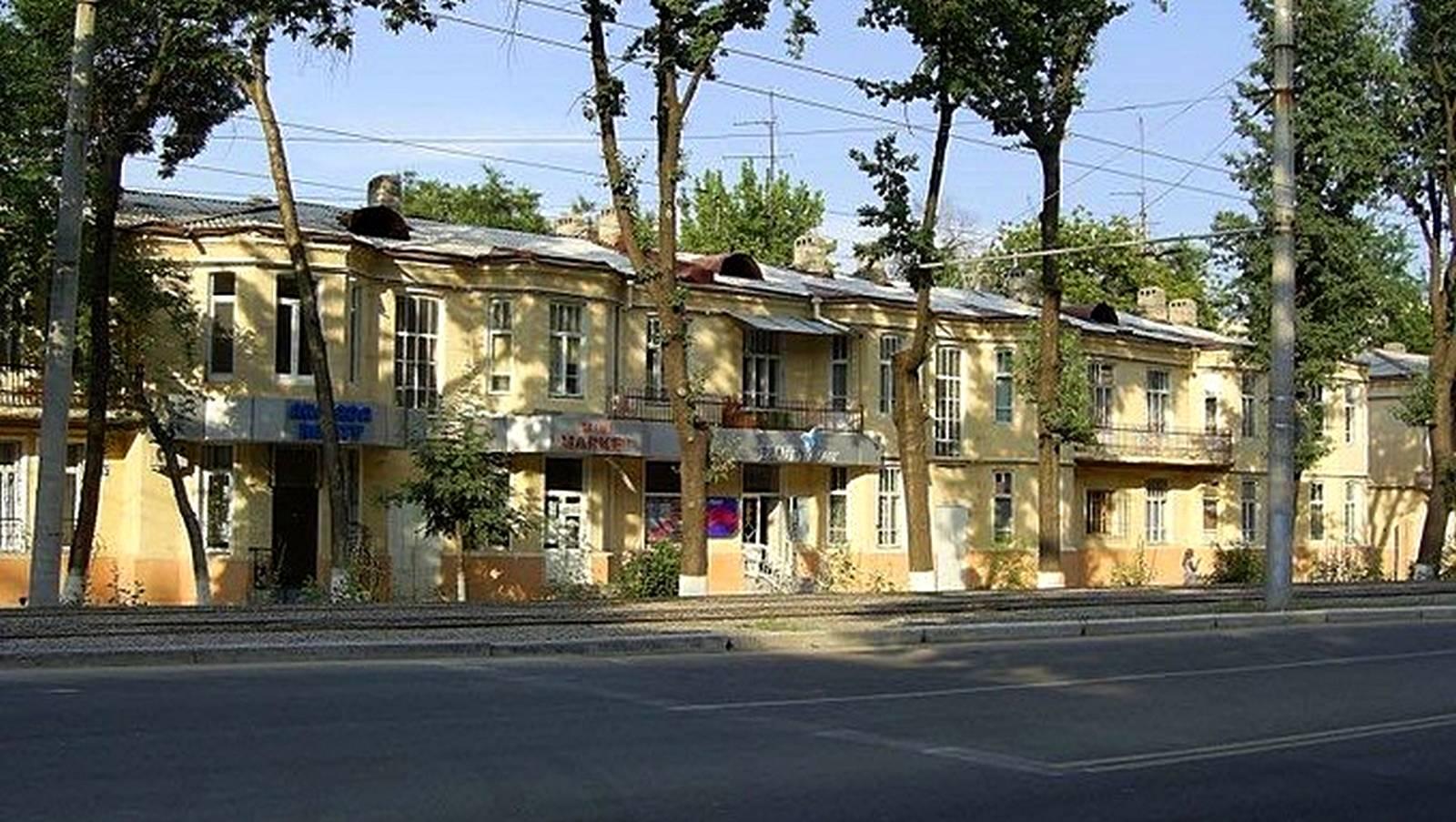
The two-story building on Amir Temur Avenue (formerly Proletarskaya Street) was built in 1927 in th...

The total length of the street is 2.1 kilometers. All modern conditions have been created here for...